
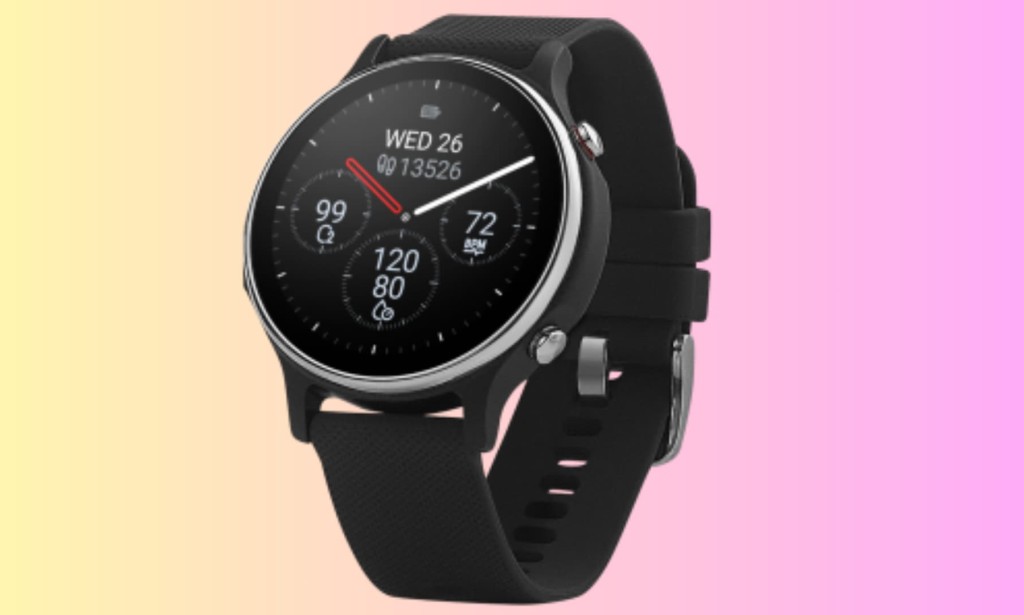
ASUS has officially introduced the VivoWatch 6 Plus at Computex 2026 in Taipei, and it is shaping up to be one of the most serious health-focused smartwatches the company has ever built. Unveiled alongside the ASUS Handheld Ultrasound DuoScan as part of ASUS's broader AI-powered healthcare ecosystem, the ASUS VivoWatch 6 Plus isn't just another fitness tracker it's positioned as a continuous health monitoring device built for both everyday users and clinical environments.
Premium Design: Sapphire Crystal Glass and Titanium Alloy Case
The first thing that stands out about the ASUS VivoWatch 6 Plus is its construction. ASUS went with a titanium alloy case, which strikes the right balance between durability and weight delivering a lightweight feel without sacrificing the kind of build quality you'd expect from a medical-grade wearable. The display is protected by sapphire crystal glass, one of the hardest materials used in consumer wearables and a significant step up from the Gorilla Glass seen on the standard VivoWatch 6.
Together, the titanium body and sapphire glass give the VivoWatch 6 Plus a noticeably more premium look and feel compared to its predecessor, while also ensuring the device can withstand the wear and tear of daily use over the long term.
Display: 1.43-Inch AMOLED Panel
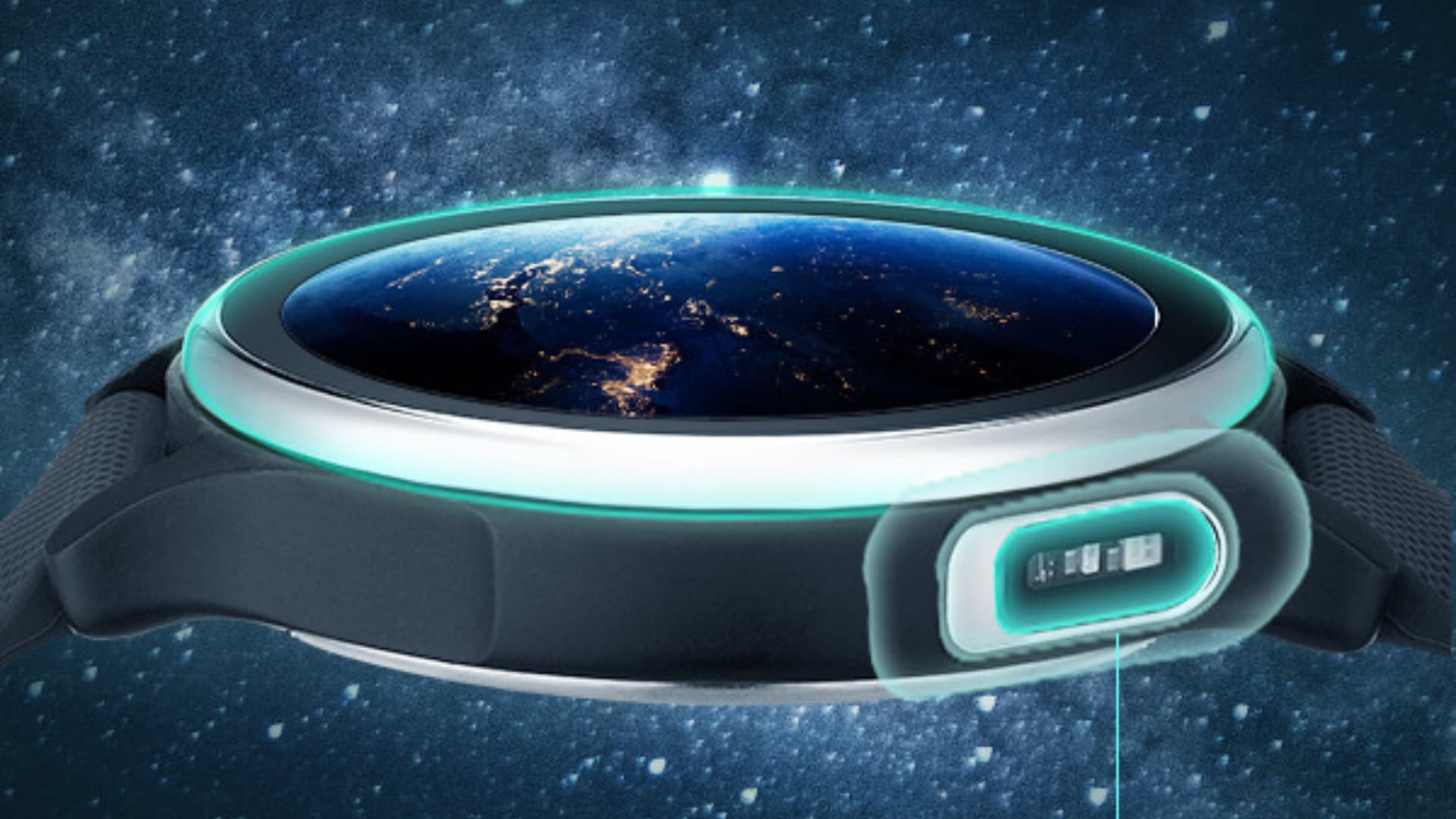
The ASUS VivoWatch 6 Plus features a 1.43-inch AMOLED display, an upgrade over the 1.39-inch panel used on the original VivoWatch 6. AMOLED technology brings richer contrast, deeper blacks, and better power efficiency compared to LCD panels all of which matter on a device meant to be worn around the clock.
ASUS has not released additional display specifications such as brightness levels or resolution at this stage, but the combination of the larger AMOLED screen and sapphire crystal protection makes the visual experience a clear step forward for the VivoWatch lineup.
Health Tracking: ECG, Blood Pressure, Gait Analysis, and More
This is where the ASUS VivoWatch 6 Plus truly separates itself from the typical smartwatch crowd. It retains the core health monitoring features that made the original VivoWatch 6 well-regarded blood pressure monitoring and ECG (electrocardiogram) tracking and builds on them with two new additions.
New Health Metrics on the VivoWatch 6 Plus
Sleep Breathing Movement Analysis is one of the standout new features. Rather than simply detecting whether you're asleep or awake, the VivoWatch 6 Plus monitors the physical movement patterns associated with breathing during sleep, offering insights that can help identify potential respiratory irregularities over time.
Gait Analysis is the other key addition. By tracking the way a person walks their stride pattern, pace, and movement symmetry the device can provide data points that are relevant to long-term musculoskeletal and neurological health. ASUS says these new metrics are designed to offer deeper insights into the risk of chronic disease and help users monitor long-term health trends more effectively.
Real-Time Health Feedback and Wellness Coaching
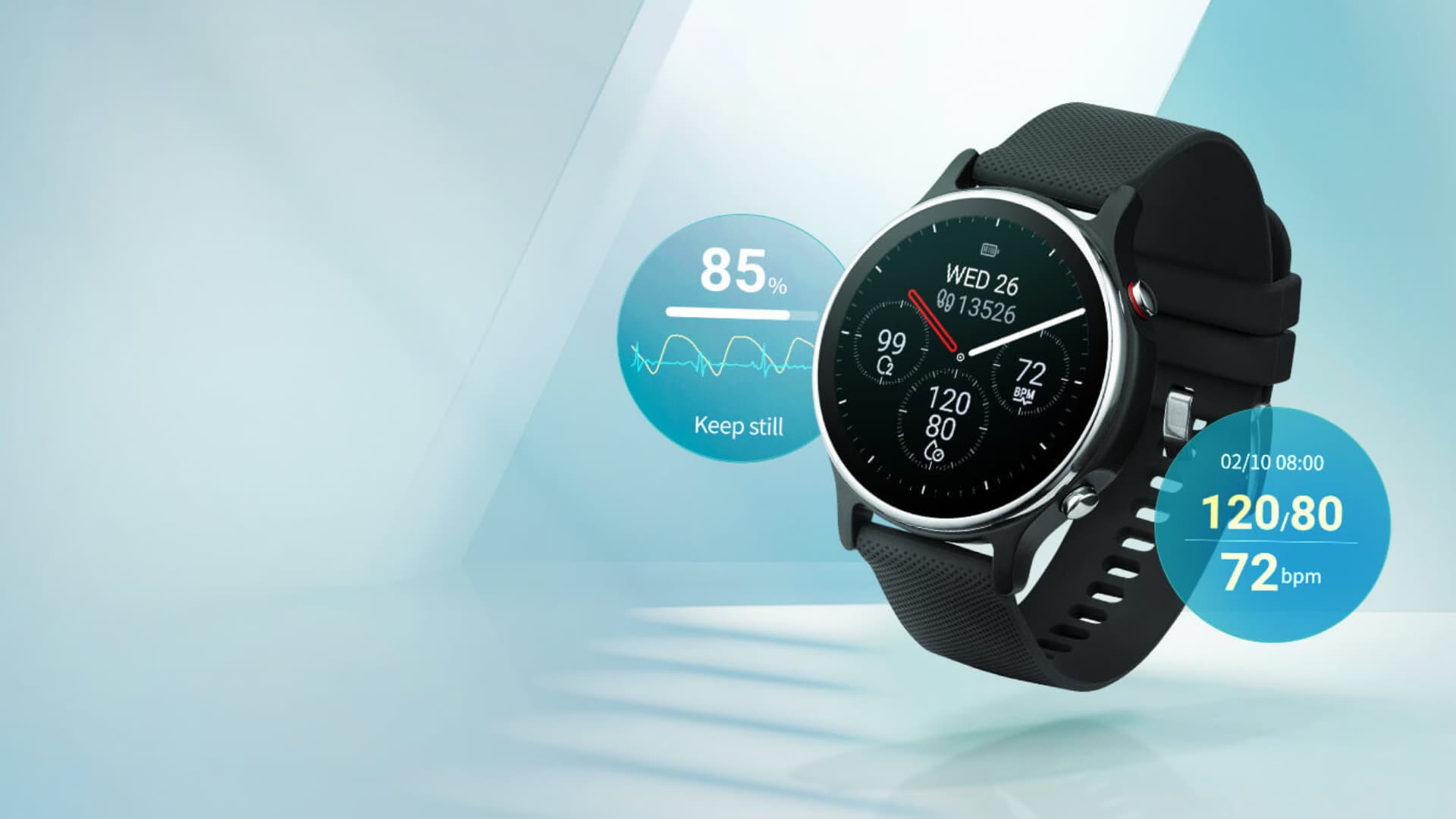
The ASUS VivoWatch 6 Plus also introduces real-time health feedback that turns continuous biometric data into actionable recommendations. ASUS describes this as transforming the watch into a personalized wellness coach one that doesn't just collect data but helps users understand what that data means and how to respond to it in daily life.
Part of ASUS's AI-Powered Healthcare Ecosystem
The VivoWatch 6 Plus was launched as part of a larger healthcare initiative ASUS revealed at Computex 2026. The company is building what it calls a closed-loop AI healthcare system that connects the VivoWatch 6 Plus and the newly announced ASUS Handheld Ultrasound DuoScan through the ASUS AI Agent healthcare platform.
The goal is straightforward: continuous patient data capture from wearables and handheld diagnostic tools, processed in real time by AI, so that healthcare professionals can make faster and more informed clinical decisions. ASUS surveyed frontline healthcare professionals ahead of the launch and found that over 68% believe AI agents will have a measurable impact on clinical workflows, which gives context to why ASUS is investing so heavily in this space.
The VivoWatch 6 Plus is specifically positioned as the sensing layer of this ecosystem the device that stays on the body continuously and feeds real-world biometric data into the broader platform.
How It Compares to the VivoWatch 6
The standard VivoWatch 6, launched in June 2024, featured a 1.39-inch AMOLED display with Gorilla Glass, dual-frequency GPS, blood pressure and ECG monitoring, body composition analysis, and up to 14 days of battery life in power-saving mode. It weighed just 60 grams and ran on the ASUS HealthConnect app.
The VivoWatch 6 Plus builds on that foundation with a larger 1.43-inch display, tougher sapphire crystal glass, a titanium alloy case, and the addition of gait analysis and sleep breathing movement tracking. It is a meaningful generational upgrade targeted at users who want more from their health wearable without switching to a different ecosystem.
Pricing and Availability
ASUS has not yet announced the official pricing or a specific global release date for the VivoWatch 6 Plus. The device was unveiled at Computex 2026 in Taipei on June 2, 2026, and further details on availability are expected to follow in the coming weeks.
Should You Consider the ASUS VivoWatch 6 Plus?
For anyone already invested in ASUS's health wearable ecosystem or anyone looking for a smartwatch that goes beyond step counting and sleep stages the ASUS VivoWatch 6 Plus is a compelling device. The titanium and sapphire construction alone puts it in premium territory, and the addition of gait analysis and sleep breathing movement tracking gives it a clinical depth that few consumer wearables currently offer.
Once pricing is confirmed, it will become clearer exactly where the VivoWatch 6 Plus sits competitively. But based on what ASUS has revealed so far, it is one of the more thoughtfully designed health wearables announced in 2026.

You must be logged in to post a comment.