
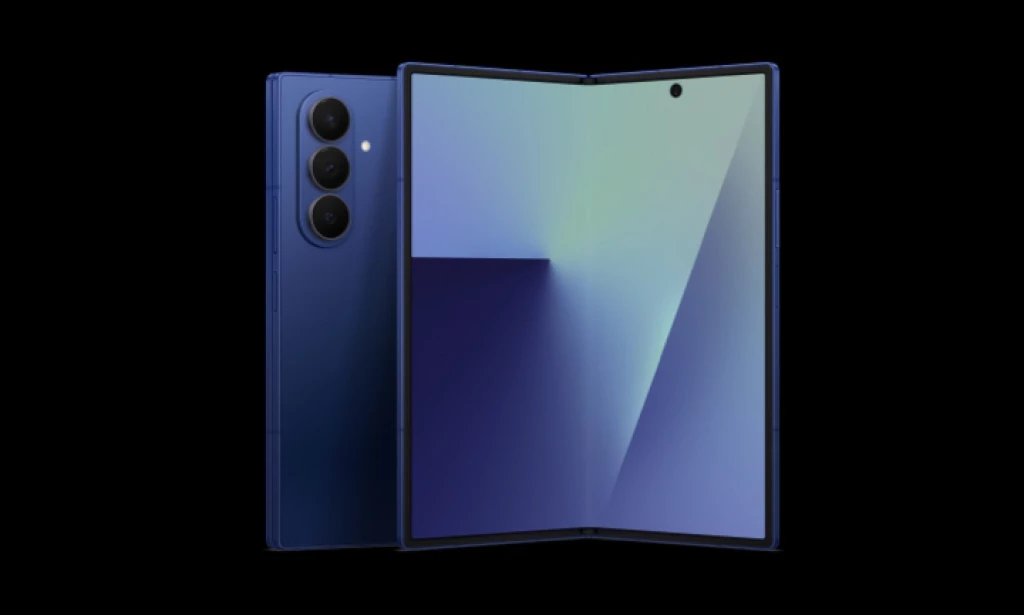
The Samsung Galaxy Z Fold 7 is one of the most impressive smartphones money can buy in 2026. Its razor-thin profile, powerful Snapdragon 8 Elite chip, and refined hinge mechanism make it a genuinely compelling flagship. But there is one real-world vulnerability that most reviews gloss over and that every potential buyer deserves to know about before handing over nearly $2,000 — its relationship with sand is genuinely terrible.
The IP48 Rating What It Actually Means
Most flagship smartphones in 2026 carry an IP68 rating. The "6" in that rating means the device is fully dustproof solid particles of any size cannot penetrate the internals. The Galaxy Z Fold 7, however, carries an IP48 rating. That single digit difference is enormous in practice. The "4" means the phone is only protected against solid objects larger than 1mm in diameter. Sand grains are typically between 0.0625mm and 2mm, meaning a significant portion of sand particles are small enough to bypass the Z Fold 7's protection entirely and work their way inside the device.
This is not a new problem for foldable phones. The hinge mechanism that makes a book-style foldable possible creates a permanent point of exposure on the device a gap that cannot be fully sealed without compromising the folding function itself. Samsung has made impressive engineering progress on hinge durability over successive Z Fold generations, but the dust resistance rating has not kept pace with the rest of the phone's premium credentials.
What Actually Happens When Sand Gets In
The hinge is the most vulnerable point. Because it is always partially exposed even when the phone is completely closed sand grains can work their way into the mechanism over the course of a day at the beach without the user doing anything unusual. The first sign of a problem is typically a crunching or grinding sound when opening or closing the phone. This is sand grinding against the precision-engineered hinge components, and every opening and closing cycle risks causing incremental damage.
The USB-C port is the second weak point. Sand that accumulates around the bottom of the phone during beach use can pack itself into the charging port, making cable insertion difficult and potentially damaging the port contacts over time.
How to Clean It If the Damage Is Already Done
If sand has already made its way into the hinge, the first step is to power the phone off completely and dry-wipe the exterior with a clean microfibre cloth. Following that with 70% isopropyl alcohol helps remove finer particles from accessible surfaces. For the USB-C port, a soft-bristled toothbrush can dislodge compacted sand without risking damage to the port pins.
For the hinge itself, a vacuum attachment run carefully along the hinge gap can pull out loose particles. The most effective solution for stubborn debris is compressed air available from hardware stores for around £12-15 — which can be directed into the hinge gap to dislodge and clear remaining grains. This combination of vacuuming and compressed air is the recommended approach for restoring proper hinge function after beach exposure.
The One Foldable That Handles Sand Better Pixel 10 Pro Fold
Google's Pixel 10 Pro Fold is currently the only book-style foldable on the market with a full IP68 rating, matching what non-folding flagship phones offer. The "6" dust rating means it is fully protected against particles of any size, making it a significantly safer choice for beach environments and dusty outdoor settings. The hinge on any foldable phone remains somewhat exposed by design, so carrying a can of compressed air remains sensible regardless but the Pixel 10 Pro Fold at least eliminates the internal penetration risk that affects the Z Fold 7.
What About the Galaxy Z Fold 8?
Samsung's Galaxy Z Fold 8 is expected to launch at a Galaxy Unpacked event in London on July 22, 2026. Whether Samsung will upgrade the dust resistance rating to IP68 on the Z Fold 8 remains unknown it has not appeared in the substantial volume of leaks and specification reports published so far. If Samsung does not address this with the Z Fold 8, it will remain a meaningful competitive disadvantage against the Pixel 10 Pro Fold for buyers who lead active outdoor lifestyles.
The Galaxy Z Fold 7 is an extraordinary device in most respects, but its IP48 rating is a genuine limitation that buyers should factor into their purchase decision. If your lifestyle regularly involves beaches, dusty environments, or outdoor activities, the Z Fold 7 requires more careful handling than a standard flagship smartphone. Keeping it in a closed case, avoiding beach use entirely, or switching to the Pixel 10 Pro Fold for outdoor days are all reasonable responses to a real and documented vulnerability. At a starting price of $1,999, that is a limitation worth knowing about before you buy.

You must be logged in to post a comment.