
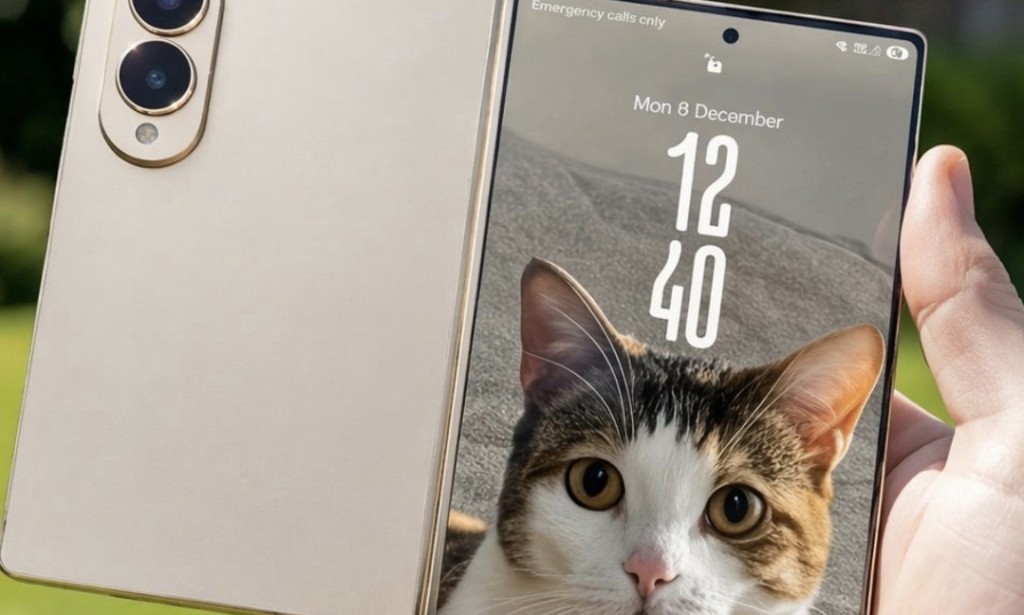
Samsung has been making foldable phones since 2019, and for most of that time, the criticism has been consistent. The front screen is too narrow. The folded device feels like holding a TV remote. Typing one-handed is awkward. Using it as a regular phone in day-to-day situations always felt like a compromise. With the Galaxy Z Fold 8 Wide, Samsung has finally addressed all of that directly.
What Makes the Z Fold 8 Wide Different
The defining change is straightforward: the device is wider and shorter than any previous Galaxy Z Fold. Previous generations followed a tall, narrow candy bar shape when folded practical for fitting in a pocket, but uncomfortable to use as a conventional phone. The Fold 8 Wide shifts that ratio, bringing the cover screen proportions much closer to what people are used to with a standard smartphone. When unfolded, the inner display opens into a compact tablet shape that feels genuinely natural to hold and use, rather than an awkward rectangle that most apps were never designed for.
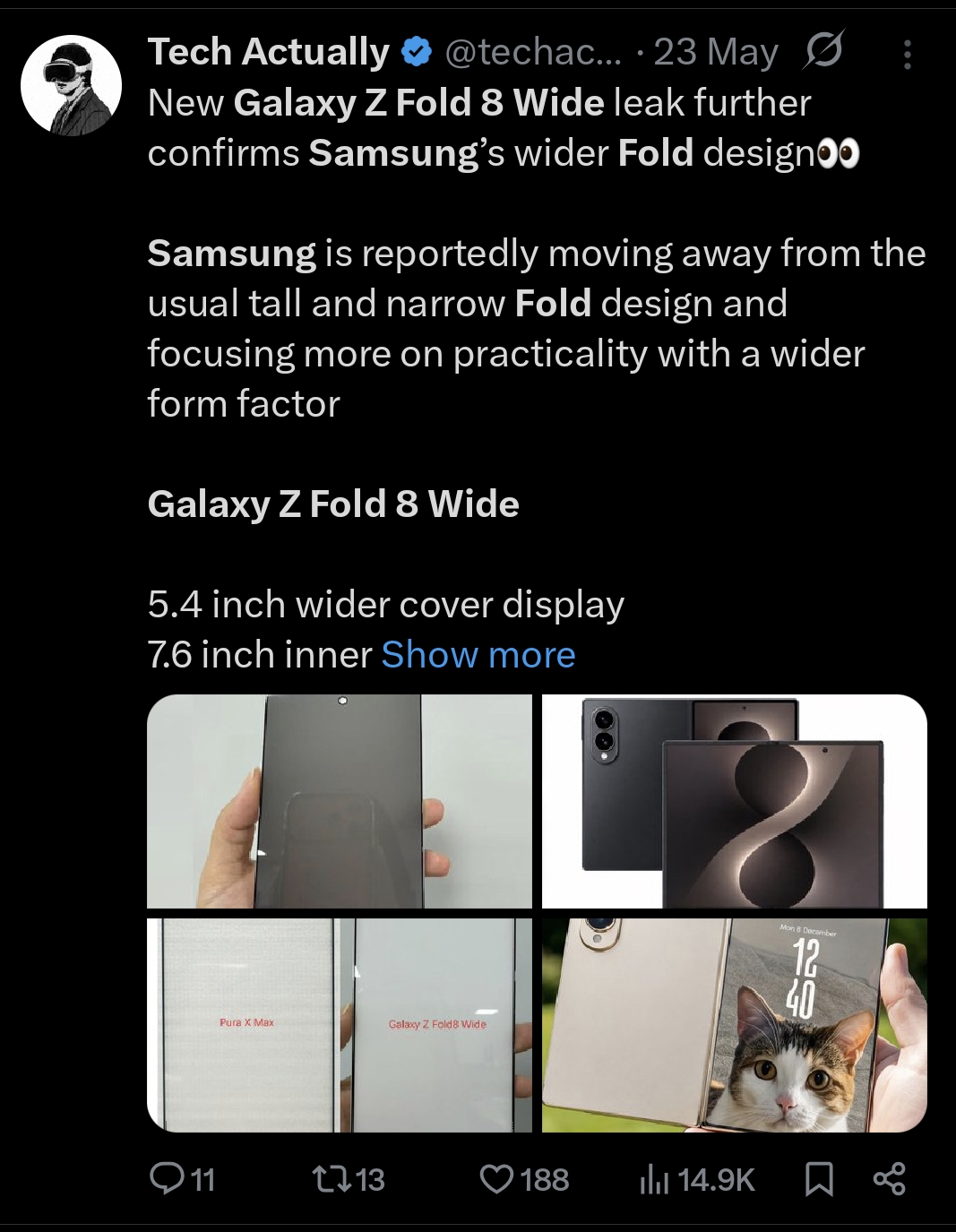
The squared-off edges are another deliberate design decision. They give the device a more modern, intentional appearance and contribute to a better grip in hand. The bezels are slightly thicker than on the standard Z Fold 8, a trade-off Samsung made consciously to improve durability thinner bezels on foldables have historically been a weak point, so the decision makes practical sense even if it is not the most impressive spec on paper.
The punch-hole camera on the inner display has also been moved to the center and reduced in size, resulting in a cleaner screen that is less distracting during full-screen use.
The Problem It Solves
Every foldable phone Samsung has made before the Fold 8 Wide presented its users with the same daily frustration. The cover screen the display you use when the phone is closed was just too narrow to be genuinely useful. Replying to messages required careful thumb placement. Typing felt cramped. Reaching content at the edges of the screen was uncomfortable. Most people ended up opening the phone far more often than they wanted to, defeating part of the purpose of having a cover screen at all.
The wider form factor fixes this at the source. A cover screen built closer to standard smartphone proportions means you can actually use the phone comfortably when it is closed, which makes the whole device feel less like a compromise and more like something that belongs in your pocket and works the way a phone should.
The inner display benefits equally from the new shape. The more square unfolded screen is better suited to tablet-style multitasking than the previous tall rectangle, which felt unnatural for side-by-side apps. Video content, documents, and split-screen productivity all work more naturally on a display built around this ratio.
Software Tuned for the New Proportions
The hardware change would not be enough on its own. Samsung has updated the software to match the new form factor, adjusting how apps scale, how multitasking panels are presented, and how the interface transitions between the cover and inner display. The wider cover screen in particular opens up more space for widgets, quick controls, and notification handling that the narrower screen on previous generations could never accommodate properly.
How It Positions Samsung Against the Competition
The timing of the Z Fold 8 Wide matters. Apple's rumored foldable iPhone expected to arrive later in 2026 is also anticipated to use a wider, shorter form factor rather than the tall and narrow design Samsung has used for years. Samsung is effectively adopting this format ahead of Apple's entry, which gives it an opportunity to establish the wider foldable shape as the norm rather than reacting to Apple's design after the fact.
Huawei's Pura X uses a similar approach in China, and its reception there has been strongly positive. The demand for a more practical foldable proportions is clearly real. Samsung's decision to launch the Z Fold 8 Wide alongside the standard Z Fold 8 and Z Flip 8 at Galaxy Unpacked in London on July 22, 2026 means it enters the market as an alternative within the lineup rather than a replacement giving buyers a choice between the traditional Fold form factor and the new wider approach.
Whether the Z Fold 8 Wide becomes the preferred Galaxy foldable in the months after launch will say a great deal about how ready the broader market is to move away from the tall narrow design that has defined this category since it began. Based on what Samsung has shown so far, the answer from foldable fans has been clear.

You must be logged in to post a comment.