
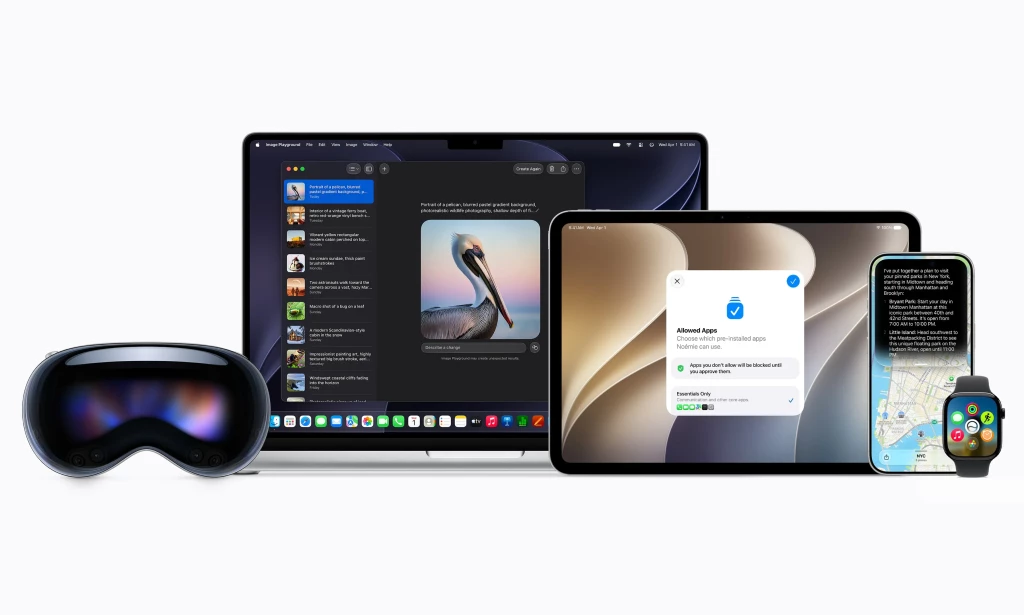
Apple officially announced iOS 27 at its Worldwide Developer Conference (WWDC) 2026, introducing the next major update to its iPhone operating system. The update replaces iOS 26 and focuses primarily on refinements and performance improvements rather than a complete visual overhaul. Key additions include a transparency slider for the Liquid Glass design language, a significantly upgraded Siri experience built on both Apple's own Foundation Models and Google's Gemini AI, and measurable speed gains across several core system functions.
Liquid Glass Gets More Customization
One of the more immediately visible changes in iOS 27 is the addition of a dedicated opacity slider for Liquid Glass, the translucent design language Apple introduced with iOS 26. Previously, the only way to reduce the Liquid Glass effect was to enable the Reduce Transparency accessibility setting or adjust it through system appearance options, neither of which offered granular control over the transparency level itself.
iOS 27 adds a proper slider that lets users adjust the transparency of Liquid Glass to their preferred level, giving direct control over the visual effect without having to dig through accessibility menus.
Performance Improvements Across the System
Apple claims iOS 27 delivers meaningful speed gains across several daily tasks.
Photos load up to 70% faster than on iOS 26. Apps launch up to 30% quicker. AirDrop file transfer speeds improve by up to 80%. Switching between Wi-Fi and cellular networks is smoother, and an optimised CPU scheduler is said to improve overall performance on supported devices.
Siri Becomes a Standalone App
The most significant change in iOS 27 is what happened to Siri. Apple has transformed Siri from a voice assistant into a standalone app, moving it well beyond its traditional role.
The new Siri can retain previous conversations and provide more contextual assistance across the operating system, addressing one of the most persistent criticisms of Siri in earlier iOS versions, where each interaction started fresh with no memory of what had been discussed before.
Apple says the upgraded Siri is powered by a combination of Apple's own Foundation Models and Google's Gemini AI models. The deeper integration allows Siri to better understand user intent, maintain context across interactions, and handle a wider range of tasks. Users can also personalize Siri's voice by adjusting its pitch, speed, tone, and accent.
Apple Intelligence Across First-Party Apps
Apple Intelligence features are now integrated more broadly across several first-party applications including Safari, Photos, Wallet, and Shortcuts. Users can perform tasks using natural language commands, receive contextual suggestions, and access new AI-powered image editing tools.
The Photos app gains three new capabilities: Spatial Reframing, image extension, and prompt-based photo editing.
The Camera app receives a new Siri-powered visual search mode. While iPhone 16 models already had Visual Intelligence through the Camera Control button, this new implementation brings similar functionality to older supported devices including the iPhone 15 Pro and iPhone 15 Pro Max.
Safari can now automatically group tabs by topic and notify users when a tracked website is updated with new information, such as a price change or a product becoming available.
The Phone app gains a new Call Context feature that surfaces relevant information from the Mail app while placing calls to businesses.
Messages and Mail can now suggest actions directly from incoming messages, such as creating a reminder or saving a note.
Expanded Parental Controls
iOS 27 introduces three new parental control features: Time Allowances, Schedules, and Ask to Browse which lets parents approve a child's access to new websites before they can open them. These additions will be available across iOS 27, iPadOS 27, and macOS 27.
Quality-of-Life Improvements
Several smaller but practical updates arrive with iOS 27:
A new indexing system improves Spotlight and system-wide search performance. iCloud Albums can now be shared with Android and Windows users, and Shared Albums gain improved filtering options for photos and videos.
AirPods users will be able to customize audio with EQ settings for the first time. Apple Maps is updated with richer Flyover imagery. AirPlay promises faster connections with Apple TV and HomePod devices.
The Wallet app receives a new Create a Pass feature that converts physical passes, such as loyalty cards and tickets, into digital versions. A new bill-splitting tool can scan receipts, assign expenses to different people, and generate Apple Cash payment requests automatically.
The Health app gains more advanced cycle tracking features and lays the groundwork for AI-powered wellness recommendations and nutritional tracking tools.
Rollout Timeline
iOS 27 is currently available as a developer beta for eligible devices. Apple itself notes the developer beta is likely to be highly unstable, and recommends against installing it on a primary device.
Public betas are expected to follow in July 2026. The stable version of iOS 27 is expected to begin rolling out by mid-September 2026.

You must be logged in to post a comment.