
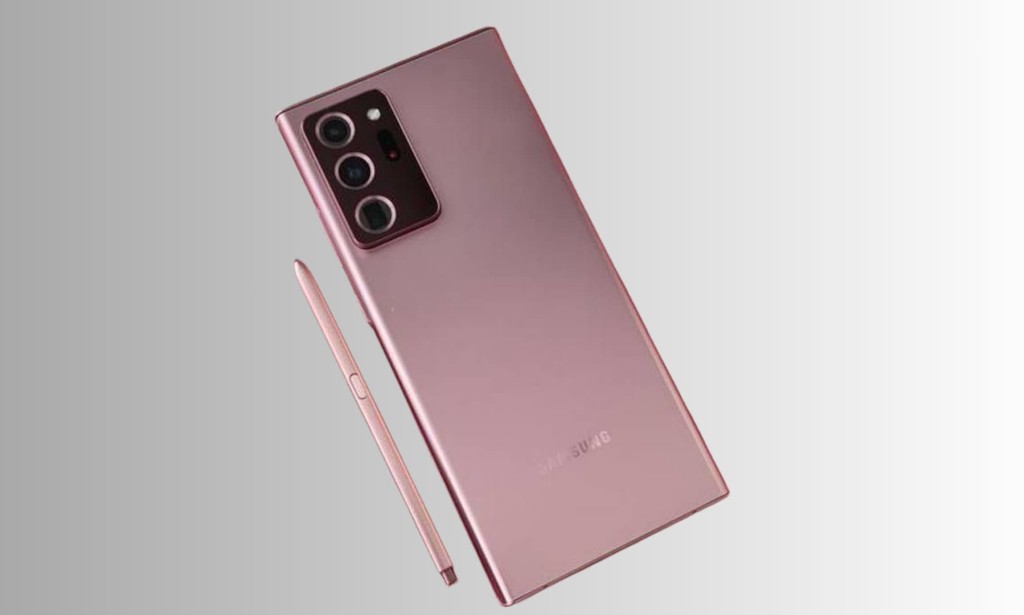
Samsung Is Finally Killing the Galaxy Note Design And That's Actually a Good Thing. Not everyone is happy about what Samsung has been doing with its Ultra lineup over the past two generations. The boxy, sharp-cornered design that defined the Galaxy Note era and carried over into the Ultra series for years is on its way out. The Galaxy S25 Ultra started that shift, and the S26 Ultra has continued it. For longtime Note fans, this feels like a betrayal. For everyone else, it might just be the smartest thing Samsung has done in years.
How the Galaxy Note DNA Ended Up in the Ultra
When Samsung discontinued the Galaxy Note line in 2021, it didn't really kill the product it renamed it. The Galaxy S Ultra became the Note's spiritual successor, carrying over its boxy form factor, S-Pen integration, and power-user identity. Samsung had a clear reason for doing this: it needed to keep existing Note fans on board while the transition happened.
The component shortage of 2021 accelerated the Note's end, but the deeper issue was that the Note and the Galaxy S flagship had been converging for years. The features that once made the Note distinct large display, stylus support, productivity focus had gradually become available across the broader Galaxy lineup. Killing the Note as a separate product and folding it into the Ultra made commercial sense, even if the execution meant the Ultra felt like a Note wearing a Galaxy S badge.
The Note Design Started Feeling Like a Relic
For a long time, the Note's boxy, flat-edged design was seen as a feature rather than a limitation. It projected a serious, professional image that appealed to power users who wanted their phone to look and feel different from everything else on the market. That positioning worked when the Note was its own product. Inside the Galaxy S family, though, it created a different problem.
The Galaxy S24 and S24 Plus followed a similar curved, rounded design language. The Galaxy S24 Ultra looked like it came from a completely separate product line sharper corners, a more angular body, a different visual identity altogether. For someone comparing the three models side by side, the Ultra felt less like a premium version of the S24 and more like a different phone entirely.
The sharp, blocky aesthetic that once felt bold started to read as dated next to the cleaner lines of modern smartphone design. The Ultra had become a product that confused as much as it impressed, with impressive specs wrapped in a design language that didn't match the rest of the family it was supposedly part of.
The S-Pen Argument Has Weakened Over Time
The S-Pen was always the centerpiece of the Note's identity, and Samsung kept it alive in the Ultra because that's what Note loyalists expected. The honest reality, though, is that the S-Pen has become a less compelling selling point with each passing year.
Touchscreen quality has improved dramatically. AI-powered features now handle many of the tasks the S-Pen was once uniquely suited for note-taking, quick sketches, and text editing. Shortcut gestures and improved voice input have made stylus-based productivity on a phone feel less necessary for most users. The S-Pen remains genuinely useful for specific workflows, particularly for artists and heavy note-takers, but for the average person buying an Ultra, it's a feature they might use occasionally rather than something that defines how they use the phone.
Samsung Made the Right Call, and the Numbers Back It Up
Starting with the Galaxy S25 Ultra, Samsung moved decisively toward a rounder, more cohesive design that brings the Ultra visually in line with the rest of the Galaxy S family. The backlash from existing Note and Ultra fans was loud and predictable. What got less attention was the result: the Galaxy S25 Ultra sold approximately 7% more than its predecessor.
That number matters. It tells you something important about where the actual market is. The people who were most vocal about wanting the old design back represent a passionate but relatively small portion of Samsung's total customer base. The larger group of people who wanted a premium Galaxy phone with top-tier specs and a design that feels modern and consistent responded positively to the change.
Samsung runs a business that sells tens of millions of devices. Decisions about design direction don't happen because an executive personally preferred one look over another. They happen because the data, the market research, and the sales trends all pointed in the same direction.
The Ultra Finally Feels Like It Belongs in the Galaxy S Family
What the Galaxy S25 Ultra and S26 Ultra achieve that their predecessors didn't is a sense of coherence. The Ultra is now recognizable as a larger, more capable version of the Galaxy S flagship rather than a separate product that happens to share a name. The display is bigger, the camera system is more advanced, the titanium frame adds durability, and the specs sit at the very top of what Android flagships offer but the design language finally matches the family it belongs to.
For someone who always preferred the base Galaxy S form factor and felt pushed away by the Ultra's angular identity, this shift makes the Ultra a genuinely appealing option in a way it wasn't before. The specs were always there. Now the design matches them.
Respecting Fans While Moving Forward
None of this means Samsung was wrong to maintain the Note's design language for as long as it did. That decision kept a loyal and valuable customer base inside the Galaxy ecosystem during a critical transition period. It served its purpose. But holding onto it indefinitely would have meant permanently limiting the Ultra's appeal to a shrinking pool of users who valued the old design above everything else.
Brands evolve. Products evolve. The Galaxy Note had a great run and left a real mark on the smartphone industry. Letting its design language live on indefinitely in the Ultra wasn't honoring that legacy it was just delaying the inevitable. Samsung recognized that, made the change, and the market responded. That's about as clean a validation of a design decision as you're going to get.

You must be logged in to post a comment.