
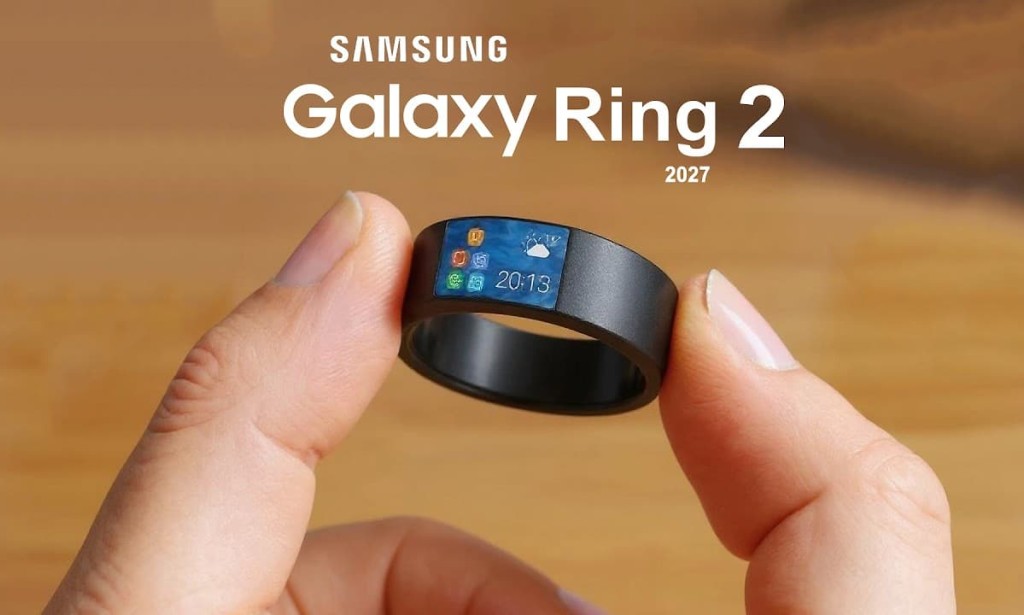
The original Galaxy Ring arrived in 2024 and gave Samsung a credible entry into the smart ring market. Now, attention is already shifting to what comes next. The Galaxy Ring 2 is in development, and while Samsung hasn't confirmed anything officially, industry insiders and credible reports have filled in enough of the picture to make the upgrade path clear. Here's a full breakdown of the Galaxy Ring 2 release timing, battery improvements, design changes, and health tracking enhancements.
Release Date: When to Expect It
Based on current industry reports, the Galaxy Ring 2 is not coming out in 2026. Samsung is targeting a post-early 2027 launch, with the official announcement expected during the second half of the Galaxy Unpacked event in 2027. Samsung has used the second Unpacked event of the year typically held in the second half for wearable announcements, so this timing aligns with how the company has historically managed its Galaxy ecosystem reveals.
Nothing has been officially confirmed by Samsung, and the second half of 2027 remains the working expectation from industry sources. That's more than a year away, which means the specification picture will become significantly clearer closer to launch.
Battery Life: 9 to 10 Days on a Single Charge
Battery performance is one of the most meaningful areas of improvement reported for the Galaxy Ring 2. The original Galaxy Ring was rated for up to 7 days of battery life, and real-world usage typically landed users closer to 5 to 6 days under normal conditions with continuous heart rate tracking and sleep monitoring active.
The Galaxy Ring 2 is expected to push that to 9 to 10 days on a single charge. If that figure holds up in real-world testing, it represents a roughly 40 to 50 percent increase in battery life over the original a significant jump for a product category where battery management is one of the primary complaints users raise.
For anyone who wears their ring continuously including during sleep tracking, the difference between charging every 5-6 days and charging every 9-10 days is noticeable in practice. Fewer charging interruptions mean more consistent data collection, which directly affects the quality of the health insights the ring generates.
Design: Thinner and Lighter
One of the consistent themes across Samsung's wearable iterations is progressive refinement toward a slimmer, more discreet form factor. The Galaxy Ring 2 is expected to continue this trend with a thinner and lighter profile than the original.
The original Galaxy Ring already had a respectable 2.6mm thickness, but thinner dimensions would make extended wear more comfortable particularly for users who find that even slight ring thickness causes discomfort during sleep or repetitive hand movements. A lighter build compounds that benefit, making the ring feel less present on the finger throughout the day.
This design direction also responds to the broader smart ring market. Oura Ring Gen 4 redesigned its sensor layout in part to address comfort complaints from earlier generations. Samsung's approach with the Galaxy Ring 2 appears to be a similar emphasis on making the hardware more ergonomically considerate without compromising sensor placement.
Health Sensors: Three Key Upgrades
The health tracking improvements expected in the Galaxy Ring 2 cover three specific areas.
Skin Temperature Monitoring
The Galaxy Ring 2 is expected to bring improved precision in detecting subtle skin temperature variations. This matters because temperature-based health insights early illness detection, menstrual cycle tracking, and recovery monitoring depend on the sensor's ability to register small changes accurately. More sensitive detection would improve the reliability of these features, particularly for cycle tracking where precision directly affects the usefulness of the data.
Sleep Tracking
Sleep tracking is the primary use case for most smart ring owners, and Samsung is expected to enhance the underlying algorithms for the Galaxy Ring 2. More detailed sleep stage analysis distinguishing light sleep, deep sleep, and REM more accurately would give users a clearer picture of their sleep quality and more actionable data. The original Galaxy Ring's sleep tracking was functional but considered less nuanced than Oura Ring Gen 4's more refined implementation. Closing that gap appears to be a clear priority.
Cardiovascular Metrics
The Galaxy Ring 2 is expected to include upgraded sensors for heart rate monitoring and related cardiovascular indicators. More accurate heart rate data, particularly during elevated activity where optical sensors on rings have historically been less reliable, would strengthen the ring's usefulness for fitness tracking and early cardiovascular health monitoring.
Blood Glucose Monitoring: Not Yet, But in Development
One of the most-discussed features in the wearable health space is non-invasive blood glucose monitoring the ability to track blood sugar levels without finger pricks, which would be transformative for people managing diabetes or monitoring metabolic health.
The Galaxy Ring 2 will not include blood glucose monitoring. Samsung is reportedly making significant progress in developing this capability, but it is not ready for inclusion in the next generation. Development continues, and future iterations of the Galaxy Ring are the expected vehicle for bringing this feature to market once the technology matures.
This is consistent with how Samsung has approached health features across its wearable lineup adding capabilities incrementally as the underlying technology reaches the reliability threshold required for a health-focused product.
Galaxy Ring 2 vs Galaxy Ring, What Changes
The improvements currently reported for the Galaxy Ring 2 focus on three areas: battery life, physical design, and sensor accuracy. What appears to remain consistent is the core product philosophy a no-subscription, Samsung ecosystem-focused smart ring designed for continuous health and sleep monitoring.
The Galaxy Ring's $399 no-subscription model was one of its clearest competitive advantages over the Oura Ring Gen 4, which requires an ongoing $5.99 monthly membership. Whether Samsung maintains this pricing structure for the Galaxy Ring 2 hasn't been confirmed, but it would be unusual to add a subscription to a product that launched without one and generated a positive response partly because of that positioning.
With a 2027 launch still well ahead, the full specification picture for the Galaxy Ring 2 will develop gradually through certifications, leaks, and eventually official Samsung communications. The battery life improvement and design refinement are the most consistently reported details at this stage.
For current Galaxy Ring owners deciding whether to upgrade or wait, the Galaxy Ring 2 appears to be a meaningful step forward particularly if the 9-10 day battery claim holds up in real-world testing. For anyone considering the Galaxy Ring now in mid-2026, the original model remains a capable device and there's no reason to wait over a year if the need is immediate.

You must be logged in to post a comment.