
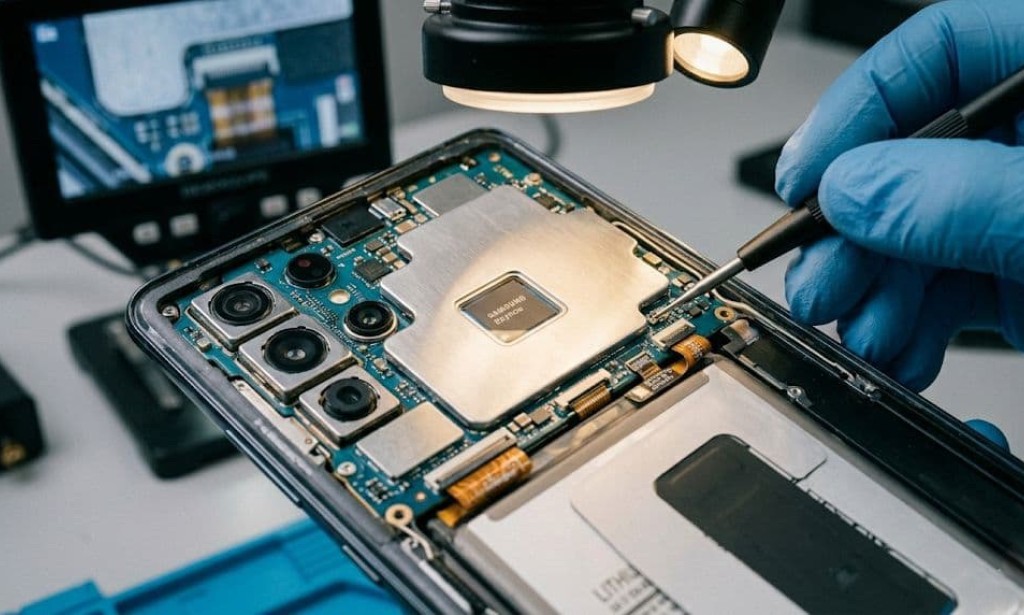
Thermal throttling has been one of the most persistent frustrations for Galaxy smartphone users over the years. When a chipset gets too hot, the device deliberately slows itself down to prevent damage and the performance hit that follows has long been a sore point, especially during extended gaming or heavy processing tasks. Samsung knows this, and according to recent reports, the company is now pushing harder than ever to make thermal throttling a thing of the past.
The Problem Samsung Is Trying to Solve
Vapor chambers have been the standard go-to cooling solution inside flagship smartphones for years. They do a decent job under normal conditions, but they have clear limits when sustained workloads push a chipset hard. With those limits becoming more apparent as processors grow more powerful, Samsung is now considering a more aggressive approach one borrowed directly from the world of gaming smartphones.
This isn't a minor engineering tweak. Samsung appears to be rethinking its thermal management strategy from the ground up, and the direction it's heading is worth paying close attention to.
Liquid Cooling Enters the Picture
According to a report from Sisa Journal, Samsung is seriously exploring liquid cooling for its future Galaxy devices. This is a technology that REDMAGIC pioneered on mobile phones and one that has largely remained within the niche gaming smartphone segment until now. Samsung bringing liquid cooling to mainstream flagship devices would represent a meaningful shift not just for the company, but for the entire smartphone industry.
A dedicated organization for active cooling solutions has already been formed at Samsung's Production Technology Research Institute. That's not a casual internal discussion a purpose-built team signals that Samsung is treating this as a serious, long-term engineering commitment rather than an exploratory side project.
The Exynos 2600 Already Proved What's Possible
It helps to understand this news within a broader context. Samsung hasn't been standing still on thermal management. The Exynos 2600 introduced Heat Pass Block technology, which places a copper heatsink directly on top of the chipset die a straightforward but highly effective solution. Test comparisons have shown that the Exynos 2600 actually runs cooler than a Snapdragon 8 Elite Gen 5 device that was being assisted by liquid nitrogen cooling, which is a remarkable result by any measure.
That achievement proves Samsung's engineering teams are already capable of genuine breakthroughs in this space. The new research into liquid and air cooling makes it clear they have no intention of stopping there.
What Galaxy Users Can Expect
The goal is simple and the motivation is clear Samsung wants to ensure that the chipsets inside its future Galaxy S devices perform at their full potential without being held back by heat. For everyday users, that translates to longer gaming sessions without performance drops, more consistent speed during video editing or heavy multitasking, and a phone that maintains its peak performance over time rather than throttling back as temperatures climb.
There's no confirmed timeline yet for when these cooling technologies will appear in a shipping product, but a dedicated research team already in place suggests Samsung is moving with real intent. Future Galaxy flagships could perform very differently because of the groundwork being laid right now.

You must be logged in to post a comment.