
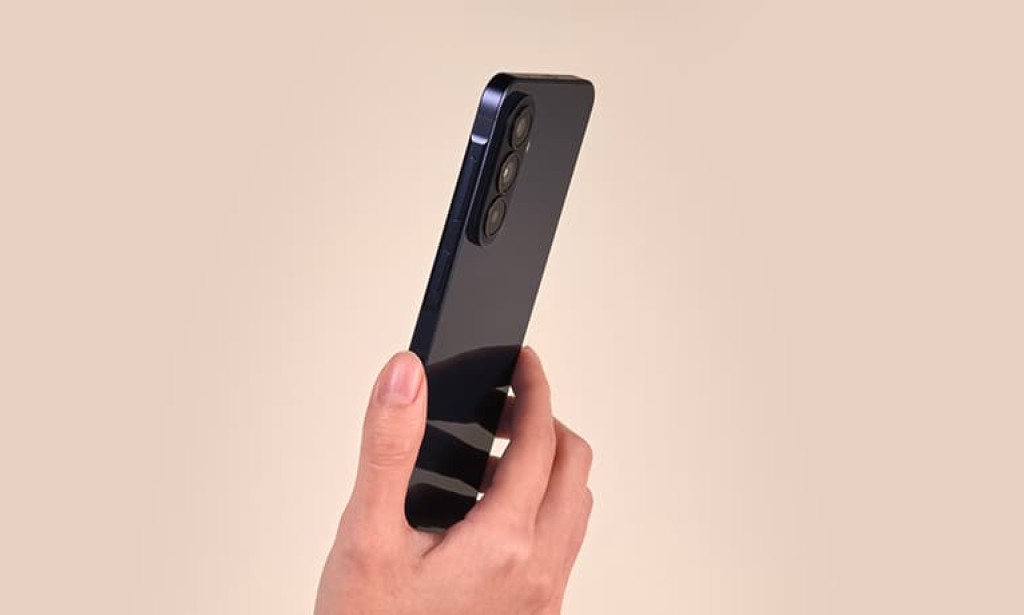
If you have ever stood in a phone store looking at Samsung's lineup and wondered why the Galaxy A57 costs $549 while the Galaxy S26 costs $799, the answer is not as simple as one being "worse" than the other. There are specific, deliberate trade-offs Samsung makes when building the A series and understanding them helps you figure out whether the cheaper phone is actually the smarter buy for your particular needs.
Here is a clear, no-confusion breakdown of what makes the Samsung Galaxy A series less expensive, what you actually give up, and what you still get.
A Quick History of the Samsung Galaxy A Series
Samsung introduced the Galaxy A series more than a decade ago as a mid-range complement to its flagship S line. The idea was straightforward: offer the Samsung experience the One UI software, the design language, the Galaxy ecosystem to buyers who couldn't or didn't want to spend flagship money. Over time, the A series evolved from basic budget devices into a lineup that now sits surprisingly close to flagship territory on certain specs while remaining distinctly behind on others.
Today, the A series spans several price points from the budget Galaxy A25 to the premium Galaxy A57 each with its own set of compromises. But across all of them, the reasons for the lower price come down to the same core factors.
The Main Reason: A Less Powerful Processor
The single biggest cost driver separating the Galaxy A series from the S and Z flagships is the processor. Samsung's Galaxy S26 runs on the latest Snapdragon chipset Qualcomm's most powerful silicon designed for maximum CPU and GPU performance. The Galaxy A57, by comparison, uses the Exynos 1680 a capable mid-range chip, but one with a notably lower performance ceiling.
This difference in processing power has knock-on effects across the whole phone experience. Gaming at high settings, sustained heavy multitasking, running demanding AI-powered features, and rendering complex video all perform at a lower level on A-series chips. For everyday tasks messaging, browsing, video calls, social media, streaming the gap is far less visible. But once you push the hardware, the difference becomes apparent.
Battery Life Is Affected Even When Capacity Is Similar
Here is a counterintuitive one the Galaxy A57 actually has a larger battery than the Galaxy S26 5,000mAh vs the S26's smaller cell. On paper, you might expect the A57 to last longer. In practice, the less efficient Exynos 1680 processor draws more power per task than Qualcomm's flagship silicon, which can offset the capacity advantage during intensive use.
That said, for light and moderate use calls, messaging, music, casual browsing the A57's larger battery can translate to solid all-day performance. The key point is that battery life depends on how you use the phone as much as how big the battery is. Heavy users will likely notice the efficiency gap; casual users often won't.
Cameras: Fewer Lenses and Different Sensors
Camera hardware is another clear area of differentiation. A-series phones typically have fewer cameras and use lower-cost sensors than the flagship S and Z lines.
A practical example: the Galaxy A57 has a triple rear camera system that looks similar to the Galaxy S26 on the surface. But look closer and the difference appears the A57 replaces the telephoto lens with a 5MP macro camera. That is a significant functional trade-off. The Galaxy S26 has a dedicated telephoto with optical zoom for genuinely useful close-up shooting at a distance. The A57's macro lens, by contrast, is a short-range specialty tool that most users rarely rely on in daily photography.
The main sensor on A-series phones while decent also captures less light in low-light scenarios than the larger sensors in Samsung's S Ultra lineup, which has a direct effect on night photography quality.
Awesome Intelligence Instead of Full Galaxy AI
One of the more nuanced differences between Samsung's A series and its flagship lineup is what happens with artificial intelligence features.
Galaxy S and Z series phones run the full Galaxy AI suite including Generative Edit for AI photo manipulation, Live Translate for real-time conversation translation, Note Assist, Circle to Search deep integration, and more computationally demanding AI features processed partly on-device.
The Galaxy A series instead ships with what Samsung calls "Awesome Intelligence" a lighter version of the AI feature set that the A-series processor can realistically handle. This includes scene optimization, basic voice transcription, and photo cleanup tools, but it stops short of the generative and large-language-model-based features that require flagship-level processing power.
For most day-to-day users, Awesome Intelligence covers the practical AI use cases. For buyers who specifically want the full Galaxy AI feature depth, the S series is the only path.
Build Materials and Durability
Flagship phones use stronger materials. The Galaxy S26's frame and back panel use harder, more scratch-resistant glass and a refined metal frame, while the Galaxy A series typically uses a step-down material combination that still looks premium but doesn't have the same long-term scratch and impact resistance.
However and this is important A-series phones still carry IP68 water resistance. The Galaxy A57, Galaxy A37, and most current A-series models are fully rated for temporary submersion in water. The material step-down does not mean fragile; it means the glass and frame tier is lower, not that the phone lacks practical durability.
The Galaxy A57 vs Galaxy S26: A Direct Comparison
To make this concrete, here is how Samsung's mid-range A-series flagship compares to the S-series entry model:
The Galaxy S26 has a smaller but higher-resolution, brighter, and more durable display alongside a sleeker, lighter chassis. Its Snapdragon processor is more powerful, it has more RAM, and US models offer more storage configuration options. The camera system includes a proper telephoto lens.
The Galaxy A57 counters with a larger 6.7-inch display, a 5,000mAh battery, IP68 certification, OIS on the main 50MP camera, Gorilla Glass Victus+ on both sides, and a commitment from Samsung for six years of OS updates the same update promise as the S series. At $549 vs $799, the A57 saves you $250 while keeping a surprisingly large portion of what makes the S26 a good phone. What you are giving up is processor performance, camera versatility, and the full Galaxy AI feature set.
Who Should Buy a Galaxy A Series Phone?
The Samsung Galaxy A series is the right choice for a specific kind of buyer and it is a much larger group than people often assume.
Teens and students who need a capable smartphone for school, social media, and entertainment will find every A-series phone more than sufficient. The Galaxy A25, which Consumer Reports recommends as a high-value Android option, has an Eye Care-certified display, a battery that lasts up to two days on moderate use, and a $300 price point that is hard to argue with.
Light to moderate users who primarily text, browse, stream, video call, and take casual photos will not notice the processor gap in daily use. The A-series experience for non-intensive tasks is genuinely good.
Budget-conscious buyers who want Samsung's ecosystem One UI, Samsung Pay, Galaxy Watch compatibility, Samsung's update track record without paying flagship prices will find the A series delivers all of that at a fraction of the cost.
Where the A series does not make sense is for power users, mobile gamers, professional photographers, or buyers who want the complete Galaxy AI experience. Those users will feel the limitations quickly and will be better served by the S26 or above.
A-Series Phones Still Get Android 17
One thing worth highlighting for anyone evaluating long-term value: the Samsung Galaxy A57, A37, and A25 are all confirmed to receive the Android 17 update. Samsung's multi-year software support commitment extends to the A series, which means a phone you buy today will stay updated for years an important practical consideration that used to be a flagship-only selling point.

You must be logged in to post a comment.